

Brains to learn. Heart to connect. Born to have a purpose.
An Australian guide to one of the world's most intelligent, expressive and versatile working breeds — for people who want to understand the dog behind the blue eyes and merle coat.
Working by heritage.
Family by choice.
Beautiful is the easy part.
The Australian Shepherd is a thinking dog first and a beautiful dog second.
Developed as a versatile stock dog, the Aussie combines intelligence, responsiveness, stamina and a strong desire to work alongside people. Those qualities remain deeply relevant today, whether the dog lives on acreage, competes in agility or shares a suburban family home.
Aussies are intuitive, affectionate, enthusiastic and often intensely engaged with their people. They learn quickly. They notice patterns. And when life gives that active mind nothing useful to do, they are perfectly capable of designing their own agenda.
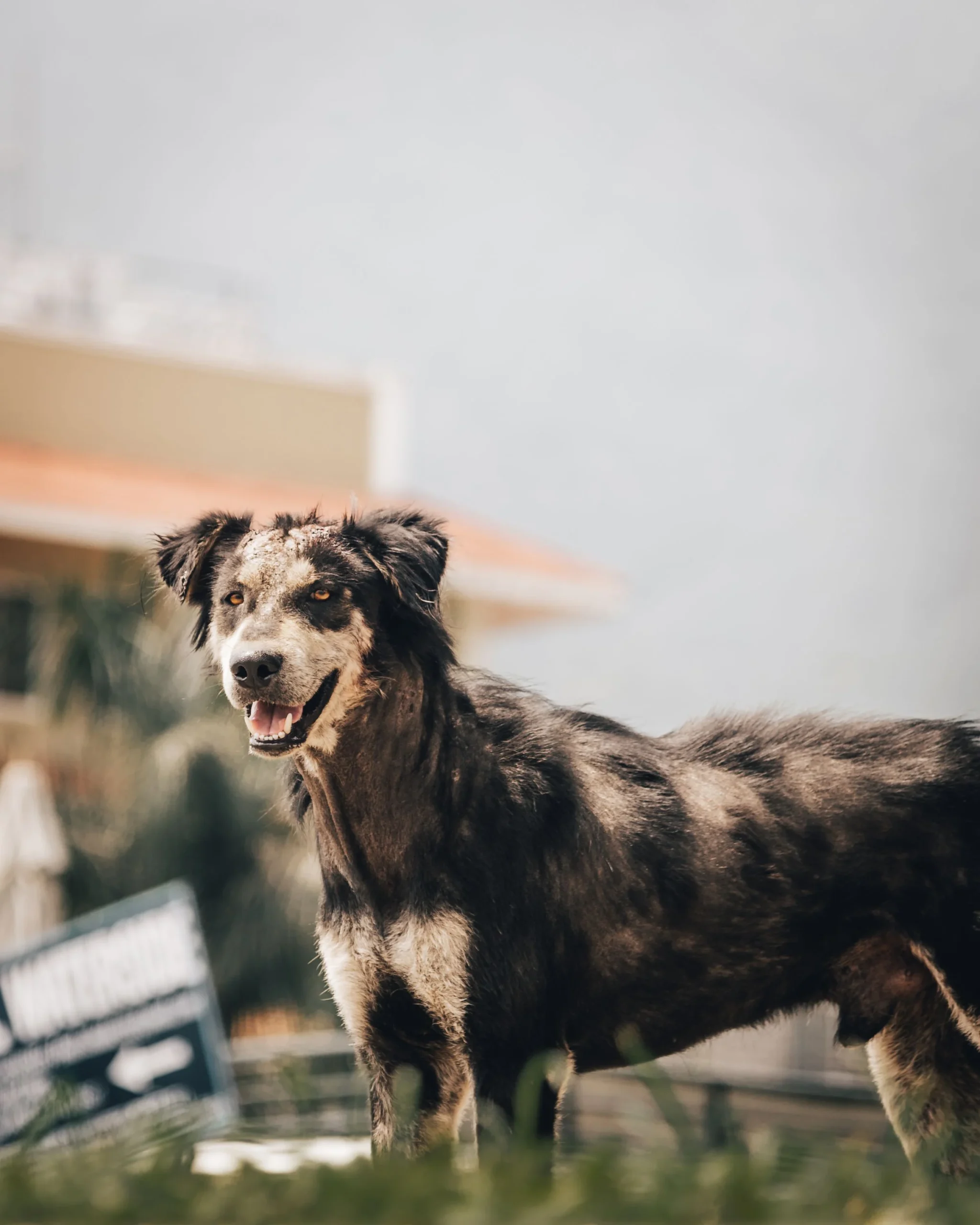
Australian by name. American by development.
The name suggests a simple origin story. The history is considerably more interesting.
The modern Australian Shepherd was developed primarily in America, where dogs associated with travelling shepherds and sheep flocks became valued as versatile working stock dogs.
The origins of the foundation stock remain debated. Historical theories connect these dogs with European shepherds, Merino sheep and working dogs that may have travelled through Australia before reaching America.
In Australia, Shirley Ford reintroduced the breed in 1990 when she emigrated from England with her family and four Aussies. The breed received full ANKC recognition on 1 January 1994.
Follow the full storyAn Aussie needs more than exercise.
This is a herding breed with a strong capacity to learn, observe and participate. A long walk can tire the legs. It does not necessarily satisfy the mind.
Daily involvement
Aussies thrive when they participate in family life, training and meaningful activity rather than living on the sidelines.
Mental work
Learning, problem-solving, scent games and structured training give an intelligent dog somewhere productive to put its attention.
Thoughtful socialisation
The breed can be reserved with strangers. Reserved should not mean shy or aggressive, which makes good early socialisation particularly important.
A place in the family
The ideal home is less about acreage and more about whether the owner has time, commitment and room for the dog in everyday life.
What do you need to know?
Follow the part of the journey you're on now — from understanding the breed to health, training and everyday life.
The Breed
Temperament, size, coat, intelligence, working heritage and what actually makes an Australian Shepherd an Aussie.
Puppies
Breeders, health testing, puppy temperament, preparation and the decisions that matter before bringing an Aussie home.
Health
Genetics, recommended testing, inherited conditions, prevention and the foundations of long-term wellbeing.
Training
Recall, manners, focus, socialisation and communication with a dog that notices almost everything.
Life With an Aussie
Exercise, grooming, routines, children, other pets, adolescence and the realities of sharing a home.
Activities & Sports
Agility, obedience, herding, tracking and other ways to channel an Aussie's intelligence and desire to work.
Choose the breeder before you choose the puppy.
Choosing the right breeder is vital. You are not simply looking for someone who has puppies available; you are looking for someone who understands their dogs and cares where they go.
A reputable breeder should happily provide information about health testing of the parents, discuss temperament and remain available as a source of support throughout the dog's life.
Do not be surprised if a breeder asks you as many questions as you ask them. That interest in finding the right home is usually a very good sign.
How to choose a breeder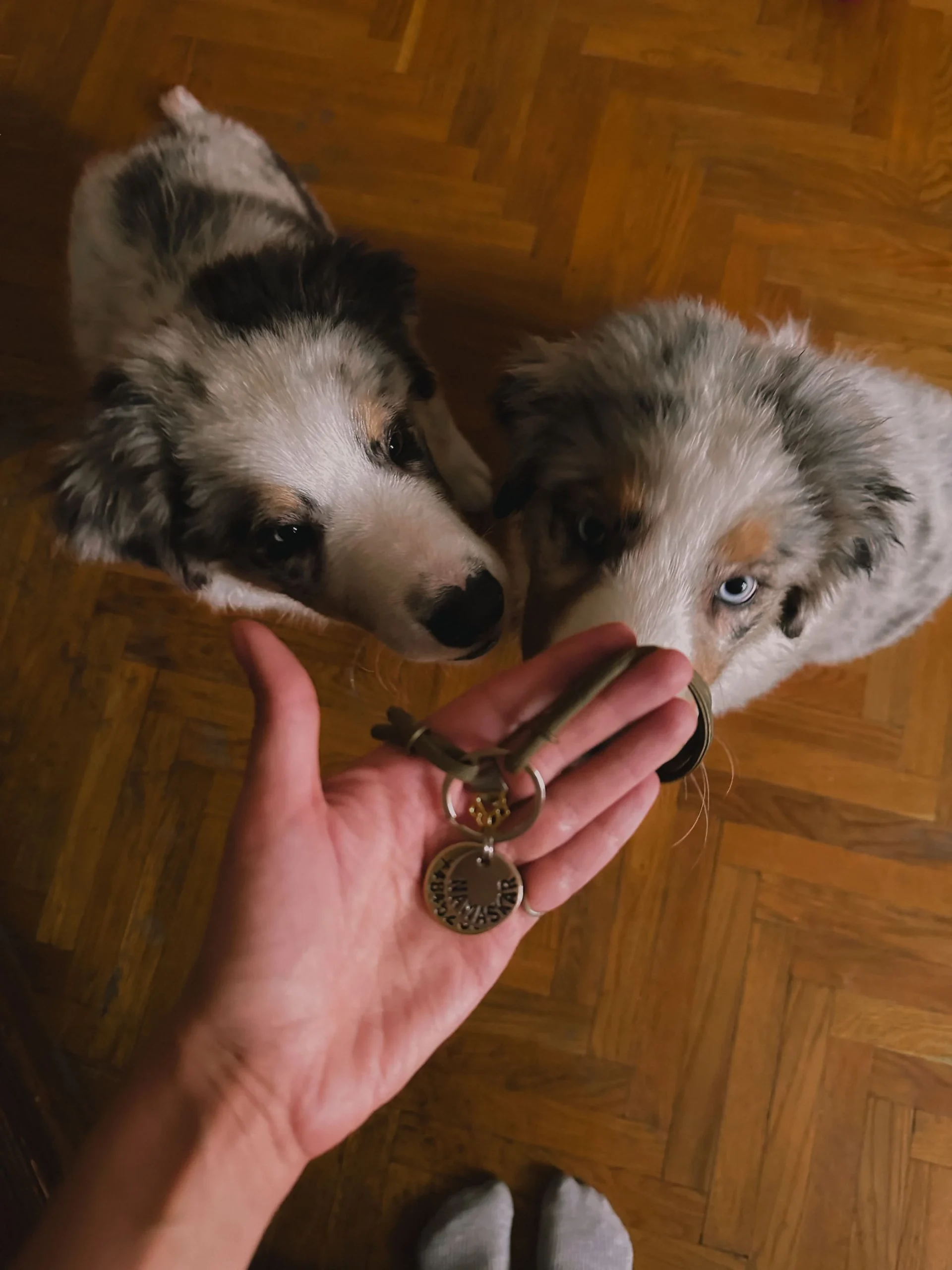
Intelligence needs somewhere to go.
Aussies were developed to work with people while thinking for themselves. Modern life may look different, but that appetite for engagement remains.
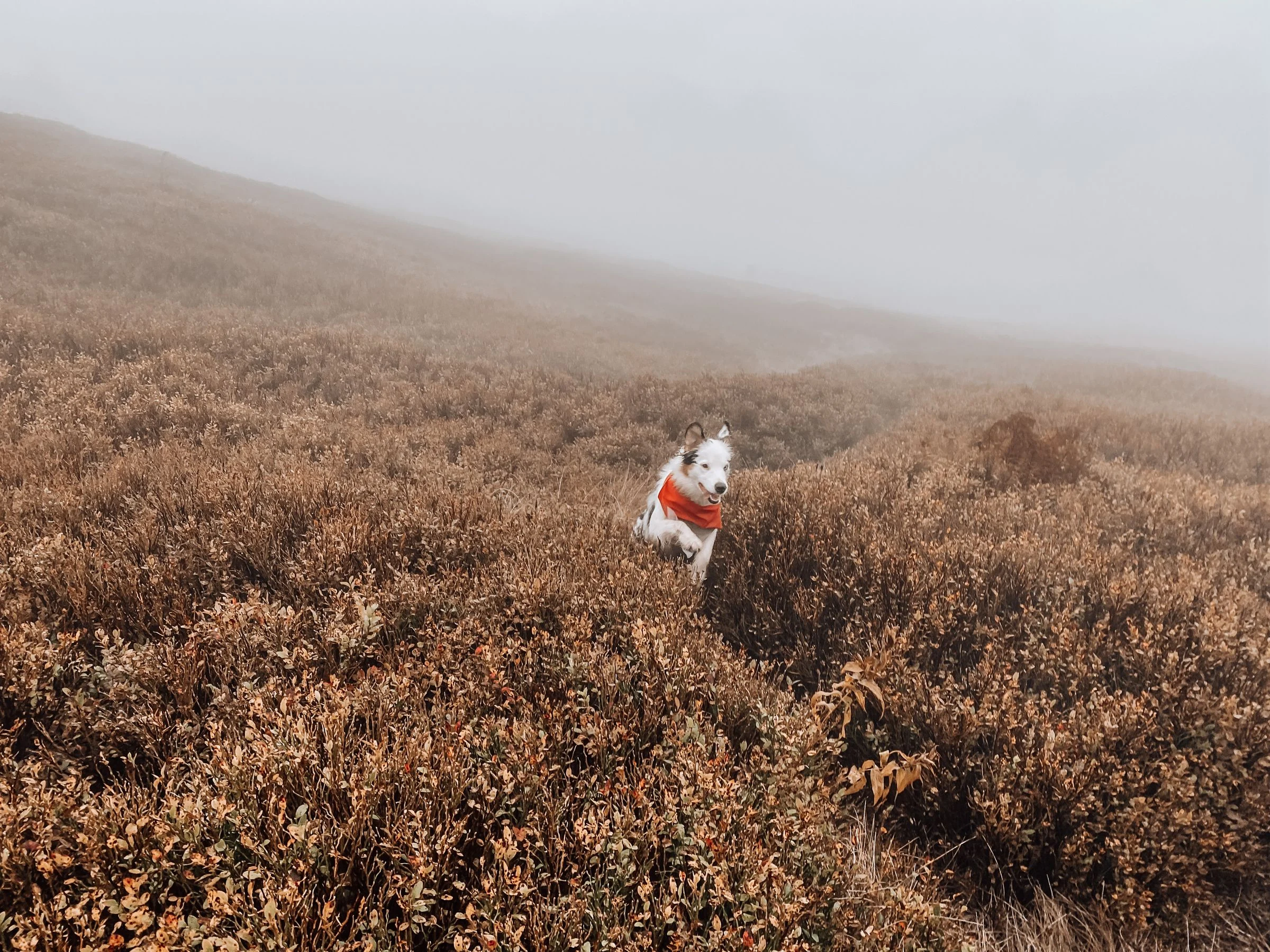
Performance dogs
Drive, intelligence and biddability make Aussies natural candidates for agility, obedience and many other dog sports.
Herding instinct
The heritage is real, but instinct varies. Not every modern Aussie is bred for herding, and pedigree alone does not guarantee working ability.

Four recognised colours. Countless individual faces.
Australian Shepherds occur in black, blue merle, red and red merle, all with or without copper and white markings.
That variety is part of the breed's visual appeal. But colour should never become more important than temperament, health or responsible breeding.
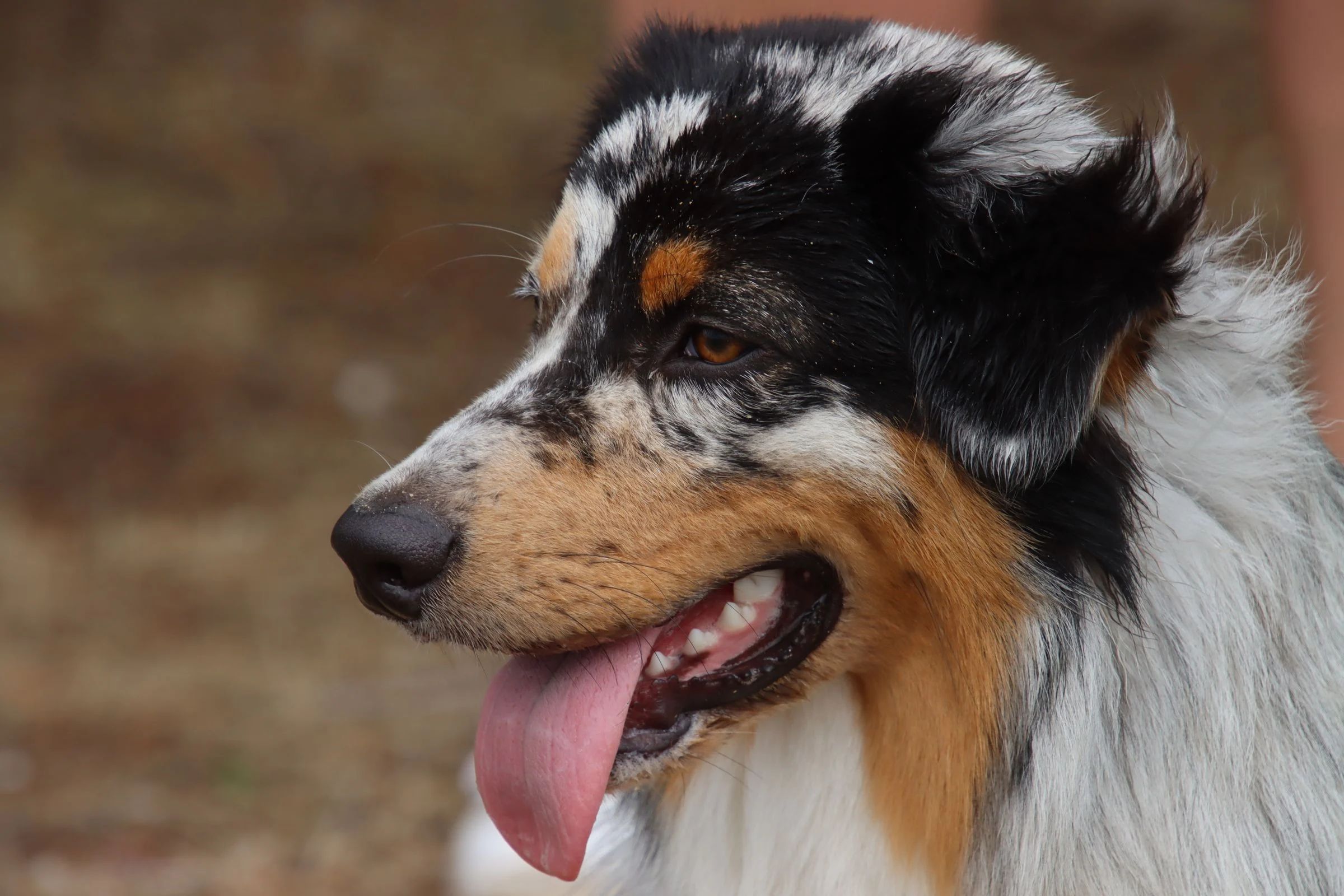
A young breed with a growing Australian story.
In Australia, the modern breed story began again in 1990 when Shirley Ford arrived from England with her family and four Australian Shepherds.
Further imports expanded the breeding stock, and the breed received full recognition from the Australian National Kennel Council on 1 January 1994.
Today Aussies are seen in conformation, obedience, agility, endurance, tracking, herding and other dog sports — as well as in homes across Australia.
The questions behind good ownership.
Practical guides for understanding behaviour, making better early decisions and building a life that works for both dog and owner.
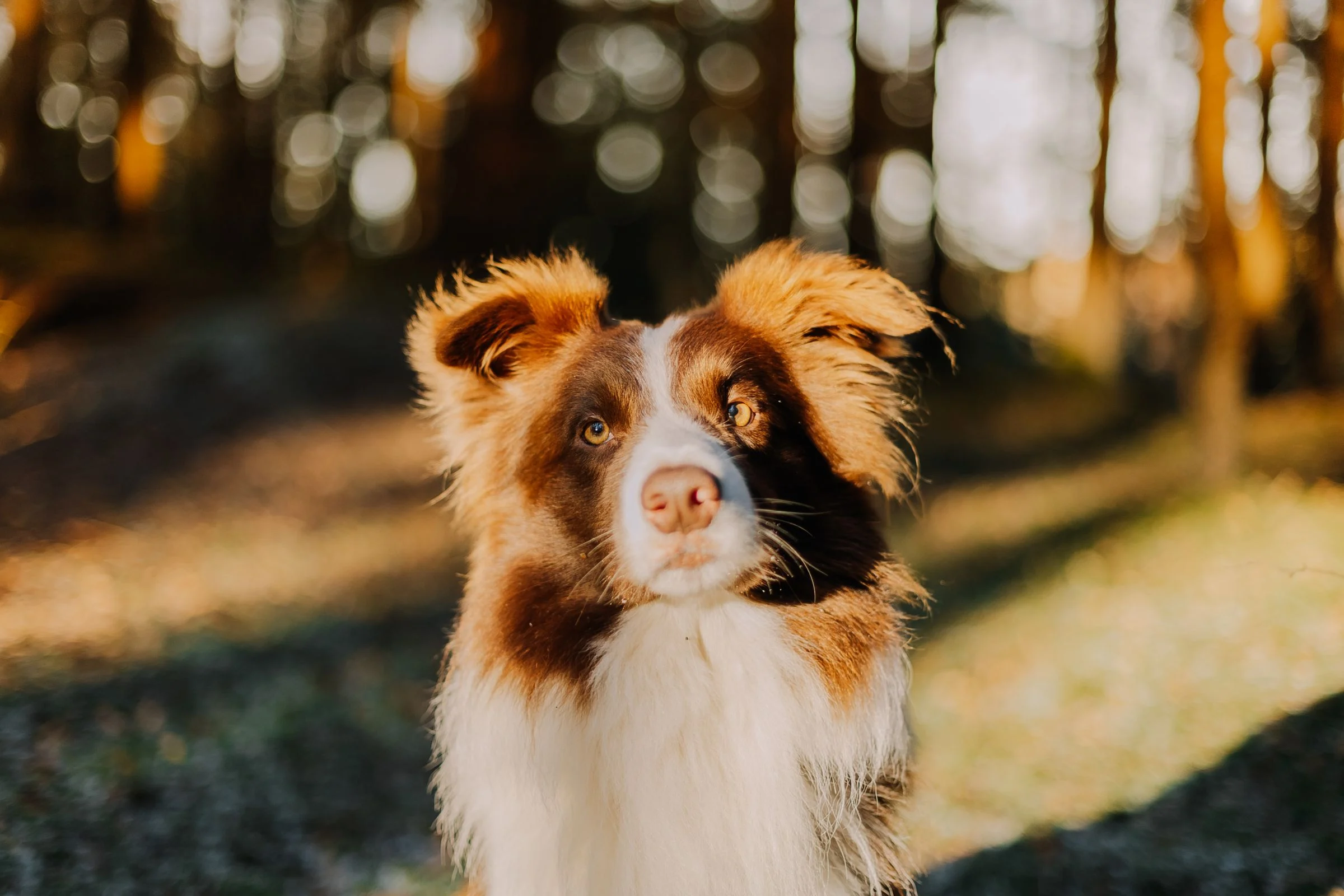
What living with an intelligent herding dog really feels like
Loyal, intuitive and enthusiastic are useful words. They are only the beginning of understanding the Aussie mind.

The first year: what your Aussie puppy actually needs
Socialisation, sleep, training and routines without turning puppyhood into a twelve-month performance test.
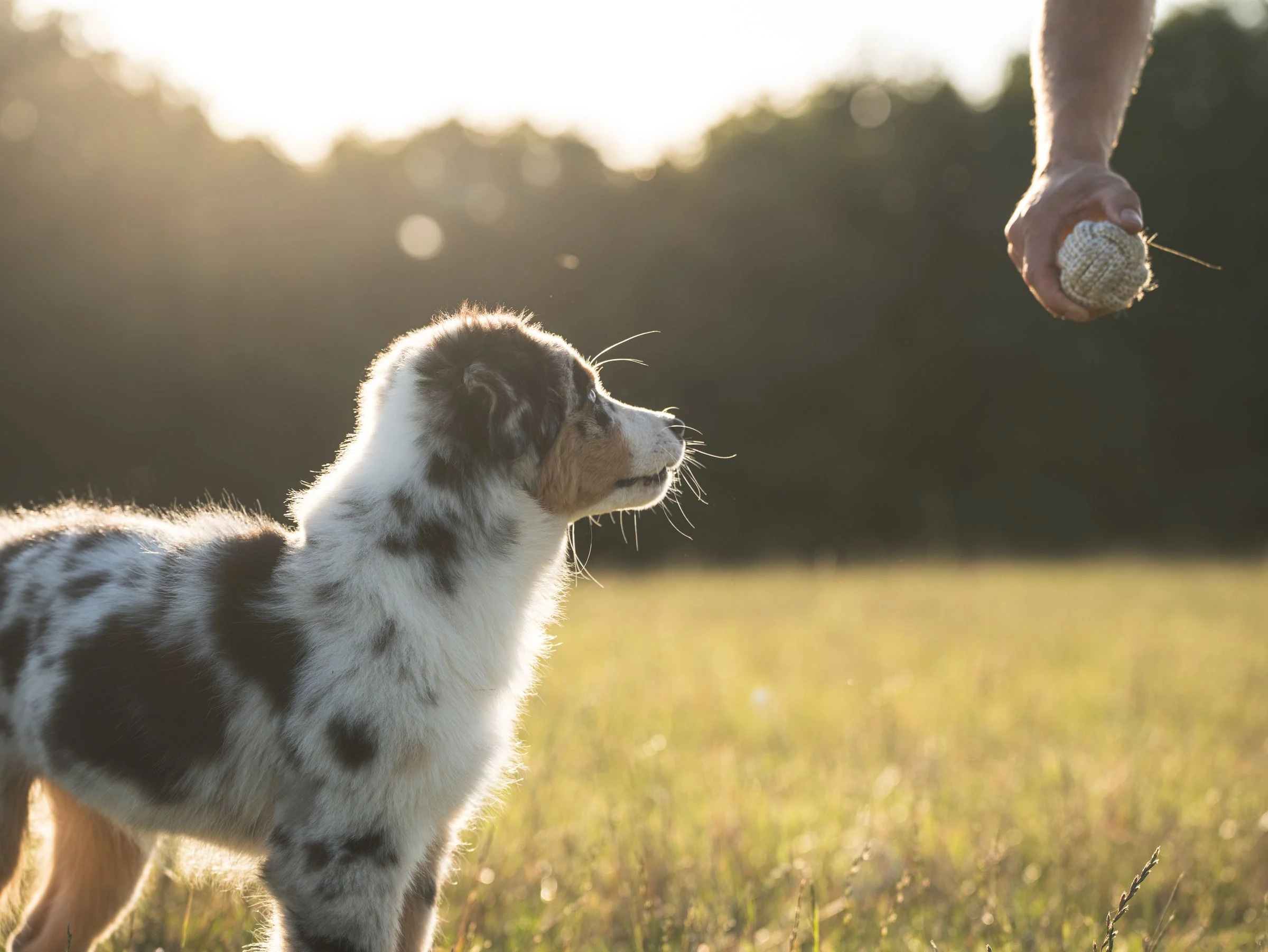
“Give your Aussie a job” — what does that mean at home?
Purpose does not require livestock. Everyday life offers plenty of opportunities to put a working brain to use.
A beautiful dog may catch your eye. Partnership is why you stay.
An Australian Shepherd can be part of your life for well over a decade. Learn what the breed needs before deciding whether your life and the Aussie mind are a good match.
Is an Aussie right for you?